How to Set Up IPTV on Android TV: The Full UK Guide
Android TV and Google TV sets from Sony, Philips and TCL run IPTV through one simple route. You install a player app from the Google Play Store. You sign in with your subscription, and the channels and guide load. Boxes such as the Nvidia Shield and Chromecast with Google TV follow the same route. Formuler and MAG boxes use a portal instead, and short sections cover them too. Apple TV and Windows PCs get short sections of their own. Most people finish the main setup in one short sitting.
Before You Start: What You Need
Two parts make the whole setup work, an app and a subscription. Five quiet minutes with this checklist save a stalled install later.
An Android TV or Google TV device. A television with the system built in, or a box that plugs into one. Sony, Philips and TCL sets fill most UK living rooms. The Nvidia Shield and Chromecast with Google TV are the popular boxes.
Home broadband. Around 10 Mbps gives smooth HD viewing on one screen. A 4K picture needs around 25 Mbps at the television. Other people online at the same time need extra room on top.
An IPTV subscription. The player app is an empty screen on its own. Your subscription login fills it with channels, films and the programme guide. Providers send an M3U playlist link or Xtream Codes login details. With our service, every plan starts with a 24 hour free trial. Our IPTV UK home page helps you judge any service before you pay.
Your Google account sign in. The Play Store asks for a Google account before it installs anything. Most sets were signed in during their first setup. Check that you know the password before you start.
The remote and your login details. Every step uses the remote that came with your TV or box. Keep your subscription details open on your phone beside you.
How to Tell if Your TV or Box Runs Android TV or Google TV
Three quick signs give the answer. First, look for the Google Play Store among your apps. Second, look for a Google account in the accounts part of Settings. Third, check your brand against the common names. Sony Bravia sets run Android TV or Google TV. Most Philips sets run one of the two as well. Many TCL sets run Google TV, though some run Roku instead.
The menus settle the question for good. Go to Settings, then Device Preferences or System, then About. The screen names the system and its version.
Two systems follow different steps. Samsung and LG sets run their own systems and their own app stores. Those sets have their own steps: IPTV on Smart TV. Amazon sticks and the Cube run Fire OS instead. Those devices have their own steps too: how to install IPTV on Firestick.
Android TV or Google TV: What Is the Difference?
Google TV is the newer face of the same Android system. The two share the same base, the same Play Store and the same apps. What changes is the home screen you see first.
Older Android TV shows plain rows of apps and channels. Google TV leads with programmes instead. Its home screen pulls films and shows from your apps into one set of rows. You browse titles first, then open the app that holds them.
Google TV also adds personal touches. Each person in the house can hold a profile with its own watchlist. Kids profiles limit what young viewers can open. Most Google TV remotes carry a Google Assistant button for voice search.
You will meet Google TV on newer hardware. Recent Sony Bravia sets run it as standard. Many TCL sets run it too. The Chromecast with Google TV dongle adds it to any television with an HDMI socket. Shops and listings sometimes shorten the name to GTV.
None of this changes your setup. IPTV on Google TV uses the same player apps and the same sign in. If your screen says Google TV, the five steps fit it exactly.
The Main Setup: Five Steps
Follow the five steps in order. The Play Store does the heavy lifting, so no files change hands. Each step uses plain words and the normal remote.
Step 1: Open the Google Play Store
Press the Home button on your remote. On Google TV, open the Apps tab at the top of the screen. On older Android TV, open the apps row on the home screen. Find the Google Play Store and open it. Sign in with your Google account if the store asks. The store is the safe source for every app you install.
Step 2: Install Your Player App
Search the store for your chosen player. TiviMate and IPTV Smarters are the two names most homes use. A table in the player section compares the two side by side. Pick one, choose Install, and wait for the download to finish. Then choose Open to start the app for the first time.
A careful word on sideloading. Android allows app files from outside the store, and people call this sideloading. The Play Store route stays the safer normal route. Store apps arrive checked by Google and update themselves. A player missing from your regional store is the usual reason to sideload. Only ever take such files from the maker’s own website. Never take app files from file sharing sites or strangers.
Step 3: Sign In With Xtream Codes
Most providers use the Xtream Codes login. Open your player and choose the option to add a playlist or log in. Enter the server address, your username and your password. Your provider sends all three when your plan or trial starts. The app then pulls in channels, films and series in one go.
These details come from your subscription, not from the app. With our service, every plan starts with a 24 hour free trial. Paid plans then run from £12.99 for 1 month to £59.99 for 12 months. The full plan list sits on our subscription page.
Step 4: Or Sign In With an M3U Playlist
Some providers send an M3U playlist link instead. Choose the M3U option in your player. Paste the link exactly as your provider sent it. Add the separate guide link too, if your provider sent one. Give the playlist a clear name, such as your provider’s name. Then press save or add and wait while the list loads.
Type the link with care, because one wrong character breaks the whole list. The on screen keyboard makes long links slow work. Many players also accept the link through a phone app or a web page. Check your player’s settings if typing feels painful.
Step 5: Load the Guide and Check a Channel
- Open the live TV section of your player app.
- Open the guide, called the EPG, and give it time to fill in.
- Pick a channel you know well and press play.
- Watch the picture and sound for a full minute.
If the guide stays empty, open the app settings and choose the update guide option. Wait five minutes and open the guide again. If guide times look wrong by an hour, check the device time zone. Go to Settings, then Date and Time, and set your UK region.
One last touch makes daily viewing easier. Mark your main channels as favourites inside the app. Your favourites list becomes your front door each evening.
Which Player App Fits Your Android TV?
Both main players sit in the Play Store on your device. Your choice rests on how you watch each evening. TiviMate suits heavy live TV watchers who live in the guide. IPTV Smarters suits beginners who want live TV, films and series in one tidy layout. There is no single best IPTV app for Android TV homes, only the best fit for yours.
| Player app | Where you get it | Cost | Best for |
|---|---|---|---|
| TiviMate | Google Play Store on the device | Free basic version; Premium for a yearly or one off fee | Live TV fans who want the strongest guide, favourites and recording tools |
| IPTV Smarters | Google Play Store on the device | Free; optional paid Premium upgrade | Beginners and mixed viewing, with live TV, films and series in one clear layout |
| Other Play Store players | Search the Play Store on the device | Free or a small one off fee | Homes whose provider asks for a named player, or anyone comparing layouts |
One point covers every paid upgrade. The app fee and your subscription are two separate things. Paying for TiviMate Premium does not include any channels. Your subscription login still does that job.
The wider comparison across every device sits on our apps hub: best IPTV app for Android TV.
Android TV Sets: Sony, Philips and TCL
A set with the system built in needs nothing extra plugged in. The Play Store already sits on the television. The same five steps apply in the same order.
Sony Bravia. Recent Bravia sets run Google TV, and older ones run Android TV. The Play Store lives under the Apps tab on Google TV models. Bravia sets also carry plenty of storage for apps and guide data.
Philips. Most Philips sets in the UK run Android TV or Google TV. Ambilight models follow the same steps as every other set. The store sits in the apps list on the home screen.
TCL. Many TCL sets now run Google TV, and those follow the same steps. Some TCL sets run Roku TV instead. Roku sets cannot install the player apps named here. Check the About screen if your TCL home screen looks unfamiliar. A streaming box or stick solves the problem for a Roku set.
Other Android TV brands. Hisense, Sharp and several budget brands also sell Android TV sets. The brand badge matters less than the system name. If the About screen says Android TV or Google TV, the five steps apply.
Google TV and Streaming Boxes: Shield and Chromecast
A box brings the system to a television that lacks it. IPTV on Google TV boxes follows the same five steps as the sets. The Play Store, the players and the sign in all work alike. Two boxes cover most UK homes.
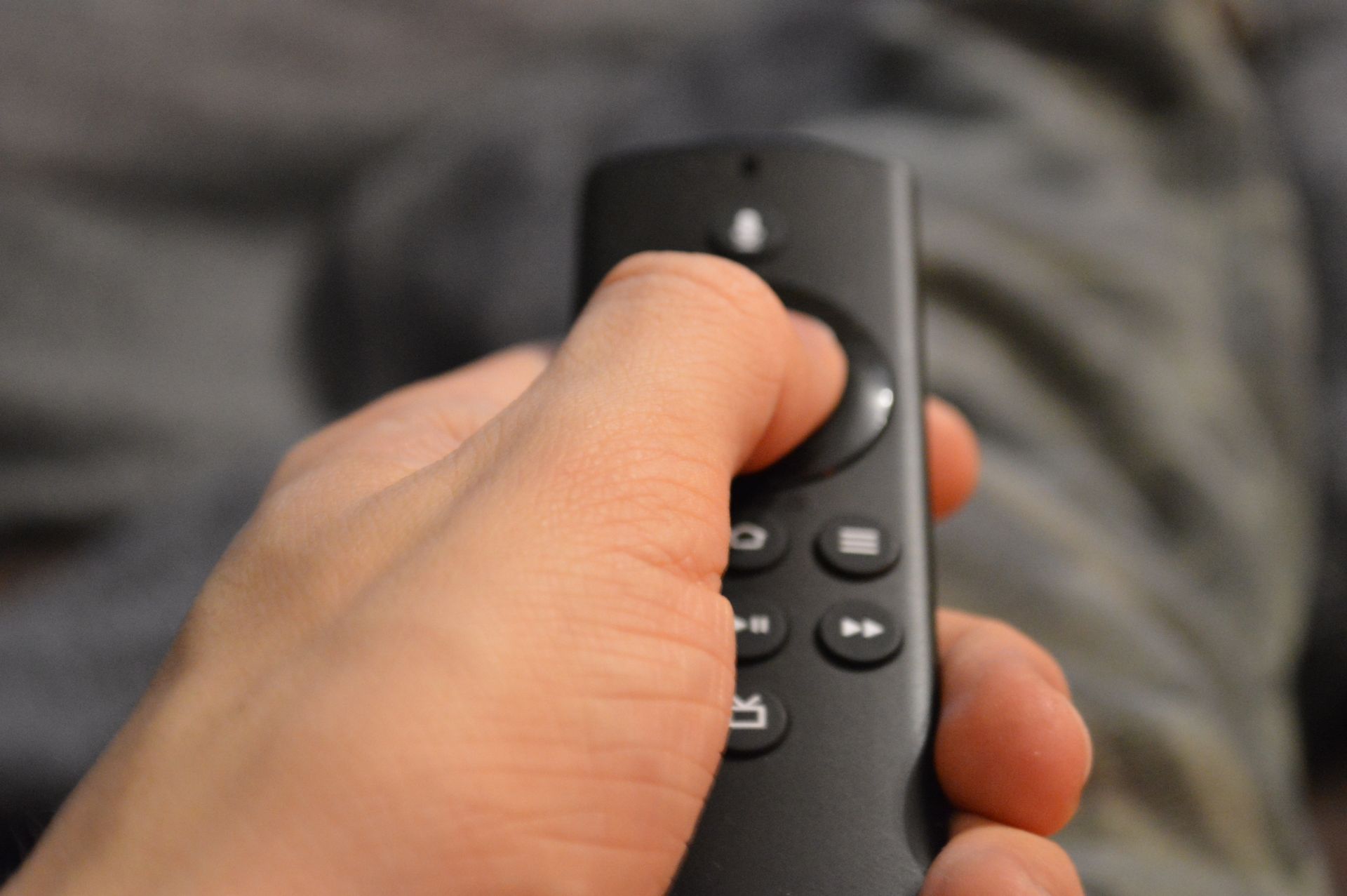
Nvidia Shield. The Shield is the fastest box in this class. IPTV on Nvidia Shield hardware feels quick in menus and guide scrolling. The Shield TV Pro also carries an Ethernet socket for a wired link. That wired link makes it a strong pick for 4K viewing. Both Shield models run the full Play Store.
Chromecast with Google TV. This small dongle hides behind the television. It runs Google TV and the same Play Store apps. Its storage is small, so keep your app list short. It has no Ethernet socket of its own. A USB hub with a network port adds one if you need it.
Generic Android boxes. Cheap unbranded boxes vary a lot in quality. Some run a phone version of Android with a cut down store. Player apps may be missing or may run badly. A certified Google TV box costs a little more and saves real frustration. Any IPTV Android box setup goes smoother on certified hardware.
Formuler Boxes: MYTVOnline and the Portal Route
Formuler boxes exist for one job, watching IPTV. IPTV on Formuler box hardware skips the Play Store route entirely. The box carries its own built in player called MYTVOnline. Newer boxes run MYTVOnline 2 or 3. You never install a player app on a Formuler.
The sign in works differently too. Your provider gives you a portal URL, a web address for their service. The box also shows its own device address inside MYTVOnline. You give that address to your provider, and they register your box.
- Connect the box and open MYTVOnline.
- Choose the option to add a portal.
- Type the portal URL your provider sent you.
- Give your provider the device address shown on screen.
- Wait for them to register it, then reopen MYTVOnline.
The channels and guide then load inside MYTVOnline itself. Most portal setups need no username and password at all. If the portal fails to load, check the URL letter by letter first. Then confirm your provider has registered the right address.
MAG Boxes: The Portal URL Route
MAG boxes come from Infomir and follow the same portal idea. IPTV on MAG box hardware has used this route for years. A MAG box carries no app store and needs no player install. The MAG box IPTV setup lives in the box settings instead. People call the key part the MAG portal URL setup, and it takes two minutes.
- Open Settings on the box, then choose Servers.
- Choose Portals and type the portal URL from your provider.
- Find the MAC address on the sticker under the box.
- Give that MAC address to your provider for registration.
- Restart the box and wait for the portal to load.
The MAC address is the identity of your box. Your provider ties your plan to that address. Type the portal URL with care, because one wrong letter loads nothing. If the box shows a blocked or blank screen, your provider registration needs checking first. Newer MAG models also support other routes, but the portal route covers most homes.
Apple TV, iPhone and iPad: A Short Section
Apple TV runs its own system, tvOS, and its own App Store. IPTV on Apple TV works, but the rules differ from Android. There is no TiviMate on Apple TV. There is no sideloading either, because Apple allows store apps only. Players such as IPTVX and iPlayTV sit in the App Store where listed.
How to set up IPTV on Apple TV, in short. Open the App Store on the box. Install a player your provider supports. Sign in with the Xtream Codes details or M3U link from your provider. The guide then loads inside that player. The viewing side feels familiar once the sign in is done.
The same store route covers the smaller Apple screens. IPTV on iPhone and IPTV on iPad runs through App Store players. GSE Smart IPTV and Smarters Player Lite are the common names. You sign in with the same details from your provider.
Windows PC and Mac: A Short Section
A Windows computer can also show your subscription. IPTV on Windows PC setups suit a desk screen or a laptop by the sofa. Some providers offer a web player that runs in your browser. Sign in on their page and watch, with nothing to install. Other providers support desktop player apps instead.
An IPTV player for Windows can be as simple as VLC. VLC is a free, well known media player. It opens an M3U playlist link and plays the channels inside it. The guide and catch up features stay limited in that route. A provider’s own app or web player gives the fuller experience. The same general idea covers IPTV on Mac computers too. Browser players and Mac player apps follow the same sign in pattern.
Settings for a Smoother Picture
Ten minutes in the settings pays you back every evening. Work through these five checks once, right after setup.
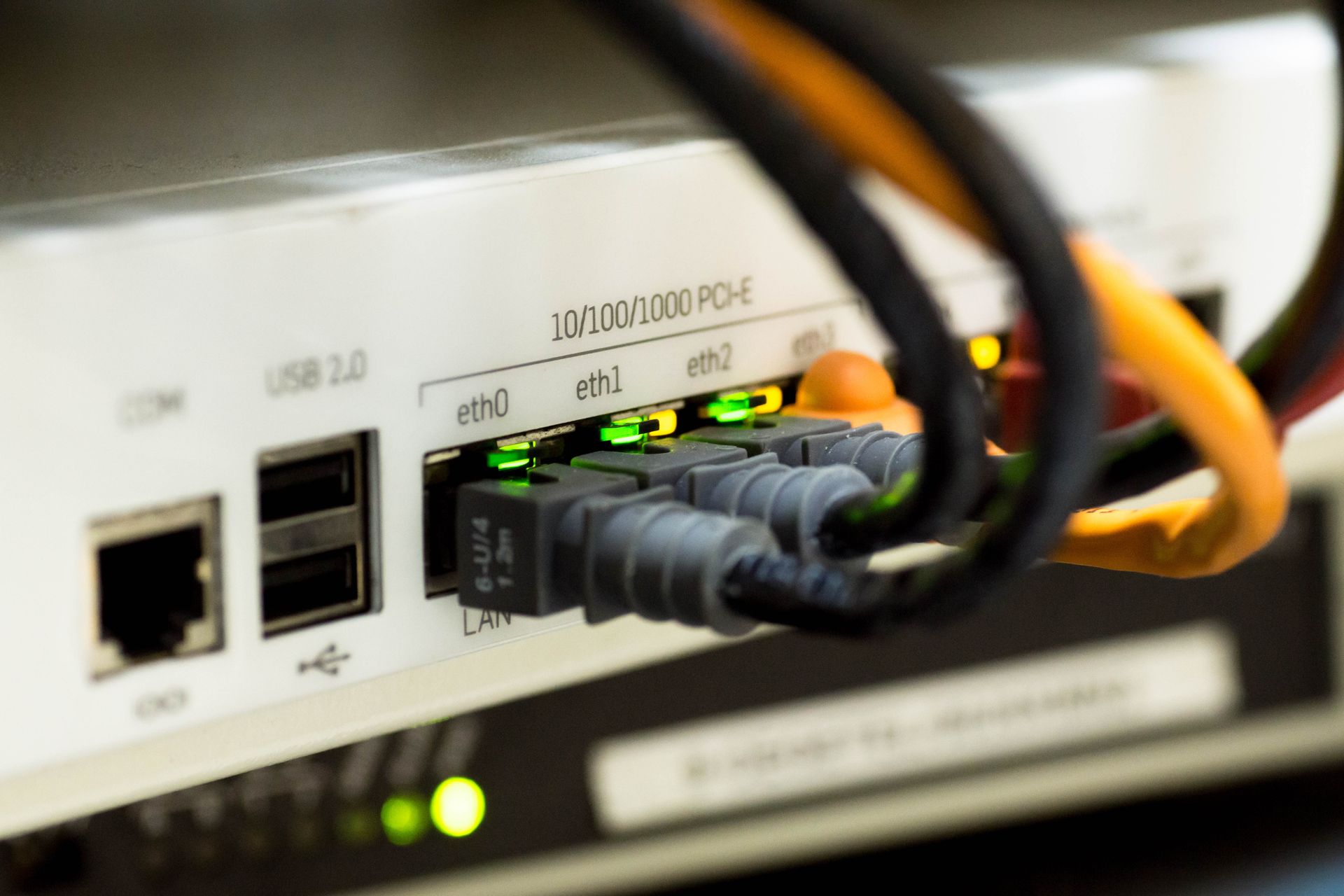
Use a wired link where you can. An Ethernet cable from the device to the router beats Wi-Fi. Sets and the Shield Pro carry a socket for one. A wired link removes most pauses and spinning circles in one move.
Pick the 5 GHz Wi-Fi band. It runs faster and less crowded than the older 2.4 GHz band. Your router shows both networks if it offers both. Pick the 5 GHz name in the device network settings.
Let the device match your TV. Find the display or resolution setting and choose Auto. A 4K channel then reaches a 4K television at full detail. Fixed low settings soften every picture without telling you.
Keep storage and cache in check. Guide data and app caches grow over time. Clear the player cache in the app settings if menus slow down. Delete apps you no longer use, mainly on boxes with small storage.
Keep the system updated. Find the update check inside the About screen in Settings. Updates fix bugs that cause crashes and slow menus. Turn on automatic updates if your device offers them.
Speed still sets the ceiling for all of this. HD needs around 10 Mbps at the television. 4K needs around 25 Mbps, with spare room for the rest of the house.
Common Android TV Problems and Quick Fixes
Most Android TV IPTV faults clear with one of these fixes. Try them in the order shown before you change anything big.
- Buffering or freezing. Restart the device from its settings menu, then test again. Move to a wired link or the 5 GHz band. Still stuck? Our full IPTV troubleshooting guide walks through every cause in order.
- The player app will not open. Clear its cache under Settings, then Apps, then your player. Choose Clear cache and open the app again. If it still fails, choose Clear data as well and sign in again.
- Login errors. Type your details again slowly and check for a stray space at the end. Confirm the server address matches the one your provider sent, letter for letter. Then check that your plan or trial is still active.
- The guide is empty or will not load. Update the guide inside the app settings and wait five minutes. Check the device time zone as well. A wrong time zone empties the guide or shifts every programme by an hour.
- The player is missing from the Play Store. Your device may run a cut down Android build. The app may also list in some regions only. Try the other main player from the player table first. A certified Google TV box solves the problem for good.
More Screens and More Setup Guides
Your Android TV is sorted, but the same subscription can run elsewhere. IPTV on Android phone handsets uses the same Play Store players. Install the app, sign in, and your channels travel with you. A Samsung or LG set in another room needs no box at all: IPTV on Smart TV. An older television suits a stick instead: how to install IPTV on Firestick. Questions about the legal side have straight answers too: is IPTV legal in the UK. The service runs online, so help arrives by chat or call wherever you live. Prefer email? Use our contact page and we will reply there.
Frequently Asked Questions
Short answers to the questions people ask us most.
How do I set up IPTV on Android TV?
Open the Google Play Store on your TV or box. Install a player app such as TiviMate or IPTV Smarters. Sign in with the Xtream Codes details or M3U link from your provider. Then load the guide and check a channel you know.
Is Android TV the same as Google TV?
Nearly. Google TV is the newer interface on the same Android base. Both use the Google Play Store. Both run the same player apps and follow the same setup steps.
Do I need a subscription before I install the app?
Yes, if you want anything to watch. The player app is an empty screen on its own. Your subscription login fills it with channels, films and the guide. Most providers, including us, offer a 24 hour free trial for the first sign in.
Is TiviMate free on Android TV?
The basic TiviMate app is free to install from the Play Store. A Premium upgrade adds the full guide tools, favourites and recording. The upgrade costs a yearly or one off fee. It never includes channels, because your subscription does that job.
Why can I not find my player in the Play Store?
Your device may run a cut down Android build without the full store. Some apps also list in some regions only. Try the other main player first. A certified Google TV device shows the full store and both main players.
Does IPTV work on the Nvidia Shield?
Yes, very well. The Shield runs the full Play Store and both main players. Its fast processor keeps menus and the guide quick. The Shield TV Pro also takes a wired Ethernet link for steady 4K viewing.
What do I need to set up IPTV on a MAG box?
You need the portal URL from your provider. You also need the MAC address from the sticker under the box. Enter the portal in the Servers settings. Give the MAC address to your provider, then restart the box.
Can I watch IPTV on Apple TV?
Yes. Install a player from the Apple TV App Store, such as IPTVX or iPlayTV where listed. Sign in with the details from your provider. Apple TV has no TiviMate and no sideloading, so the store route is the only route.
Why does my IPTV keep buffering on Android TV?
Weak Wi-Fi causes most buffering. Move the device to the 5 GHz band or fit a wired Ethernet link. Restart the device and clear the player cache. Our IPTV troubleshooting page works through the rest of the causes in order.
How long does Android TV IPTV setup take?
Most people finish in one short session with the remote. The player install takes a few minutes. The first guide load can take a few minutes more. Portal boxes like MAG and Formuler take a similar short session.
Ready to Watch on Your Android TV?
You now know the clean way to set up IPTV on Android TV. Install a trusted player from the Play Store and sign in. If you still need the subscription itself, start with the 24 hour free trial. Plans then run at £12.99 for 1 month and £29.99 for 3 months. The 6 month plan costs £44.99, and 12 months costs £59.99. Pick your plan and settle back on the sofa.